
31°C, New York


Notification products, updates
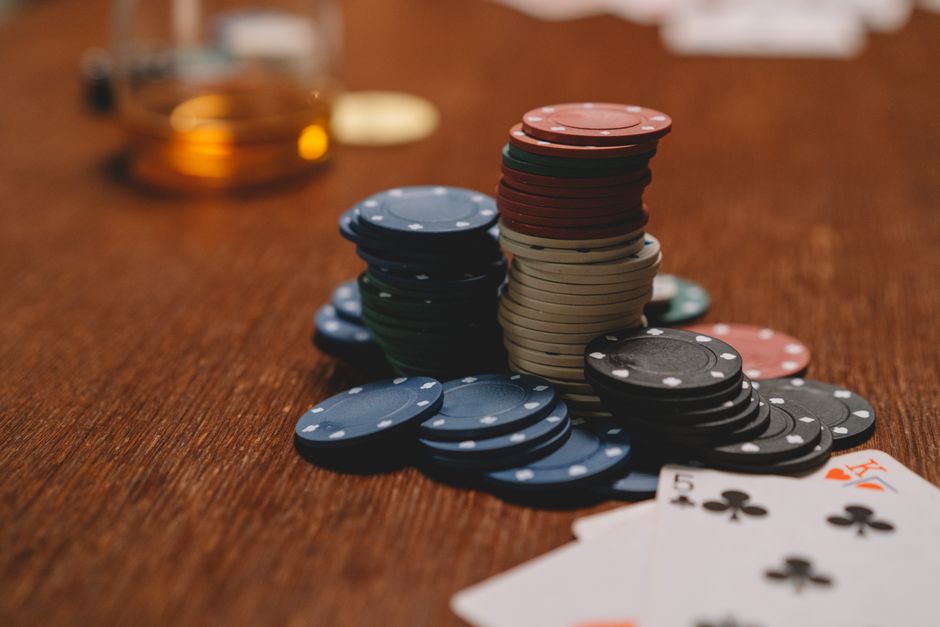
You’ve probably noticed it: the line between a casual flutter and a serious hobby is thinner than ever. iGaming isn’t just a buzzword anymore—it’s a global industry projected to hit $127 billion by 2027, driven by mobile tech, live dealers, and a generation that grew up with a controller in hand. But here’s the catch: with thousands of slots, poker rooms, and sportsbooks competing for your attention, knowing where to plant your flag (and your bankroll) is harder than it looks. This isn’t about hype. It’s about walking into the casino floor—virtual or brick-and-mortar—with a plan.
Let’s kill a myth right now: slots are not pure luck. Yes, the RNG (random number generator) dictates outcomes, but volatility and RTP (return to player) are your compass. A game with 96% RTP returns $96 for every $100 wagered over millions of spins—not per session. High-volatility slots like Bonanza Megaways can go 200 spins without a win, then dump 500x your stake. Low-volatility titles like Starburst pay small and often. Match the game to your temperament.
Here’s a concrete tip: check the paytable before you spin. A slot with a 10,000x max win but 94% RTP is a different beast than one with a 5,000x max win at 97% RTP. The latter is statistically kinder over time. Also, watch for “bonus buy” features—they’re convenient but often cost 100x your stake for a feature that averages 80x return. That math rarely favors you.
Poker is the only iGaming vertical where you can consistently win if you outthink the table. But that doesn’t mean playing every hand like a hero. The biggest leak for amateurs? Overvaluing top pair. In Texas Hold’em, top pair with a weak kicker (say, 9-5 on a 9-7-2 board) is a trap against tight players who raise preflop. Position matters more than cards: acting last gives you information. If you’re on the button with 7-8 suited, a call is often better than a fold—you’ll flop straights and flushes 2.2% of the time, but you’ll also steal pots with aggression. For a closer look, สล็อตเว็บตรง has helpful details.
Bankroll management is non-negotiable. For cash games, never buy in for more than 5% of your total poker bankroll. For tournaments, 2% max. A $1,000 bankroll means $50 buy-ins, not $200. Why? Variance is a beast. Even a 60% favorite loses 40% of the time. Over 1,000 hands, you can easily hit a 20 buy-in downswing—that’s normal, not a curse. Track every session in a spreadsheet: date, stakes, hours, profit. After 100 hours, you’ll see patterns (e.g., you lose more after midnight, or you win more against loose players).
Sports betting isn’t about picking winners; it’s about finding value. A team with 60% win probability should be priced at -150 (implied 60%). If you find them at -120, that’s an edge. The vig (juice) is the bookmaker’s cut—typically 4-5% on a standard -110 line. Sharps hunt for “soft lines” on player props or obscure leagues where bookies haven’t adjusted. For example, a backup quarterback’s passing yards prop might be set at 225.5 when the starter’s injury news breaks late. That’s a 10-yard edge if you act fast.
Live betting adds another layer: momentum swings create temporary mispricings. A soccer team down 1-0 at halftime might be +400 to win, even if they’ve dominated possession. If their xG (expected goals) is 1.4 to 0.3, that price is gold. But don’t chase—set a staking plan. Flat betting (same amount each game) is boring but sustainable. If you bet 2% of your bankroll per game, a 55% win rate at -110 odds yields a 10% monthly ROI. That’s professional-level.
You don’t need a $500 course to win. You need a HUD (heads-up display) for poker—trackers like PokerTracker 4 cost $100 one-time and show opponent stats (VPIP, PFR, 3-bet%). For slots, use free demo modes to test volatility. For betting, an odds comparison site (OddsJam, Betstamp) is non-negotiable.
Bonuses? Read the fine print. A “100% match up to $500” with 40x wagering on slots means you must bet $20,000 before withdrawing. If the game has 96% RTP, expected loss is $800—more than the bonus. Only take bonuses with 10x wagering or less, and check game weightings (poker often contributes 10% toward rollover).
Finally, set time and money limits. iGaming is designed to be immersive—flashing lights, near-miss sounds, chat notifications. Use site tools: deposit limits, session reminders, self-exclusion if needed. The smartest players treat this as entertainment with a side of profit, not a lottery ticket.
After a decade in iGaming, I’ve learned that the house edge is real, but so is player edge—if you specialize. Slots reward patience and RTP awareness. Poker rewards aggression and emotional control. Betting rewards information and discipline. The common thread? Never bet what you can’t lose, and never chase. The best session isn’t the one where you hit a 1000x jackpot; it’s the one where you followed your plan and left with your bankroll intact. Now go check that paytable, tighten your preflop range, and shop that line. The edge is yours to take.

Ossaborough House shares practical, down-to-earth guidance on country house hospitality and heritage for readers across the UK.
Stay Tuned With Updates


Leave A Comment